The Teacher Coquette Design: A Designer's Review
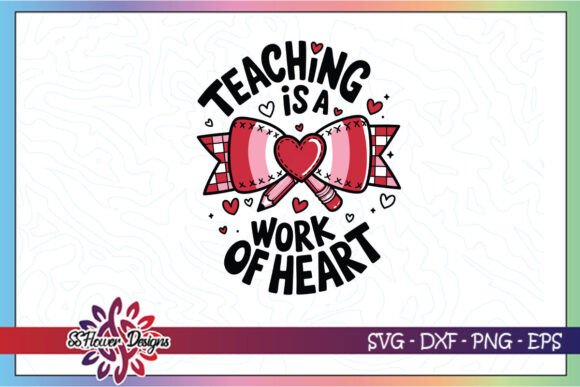
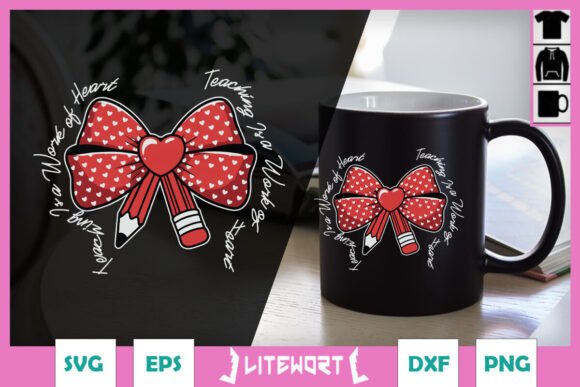
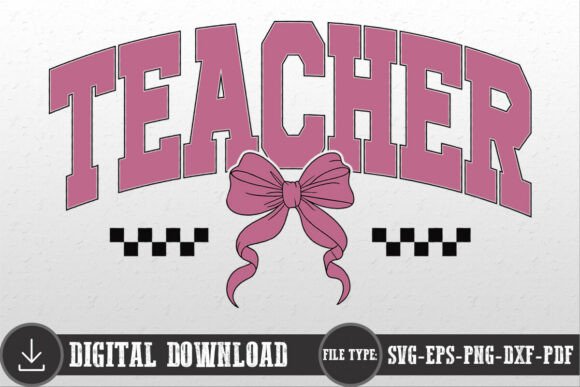
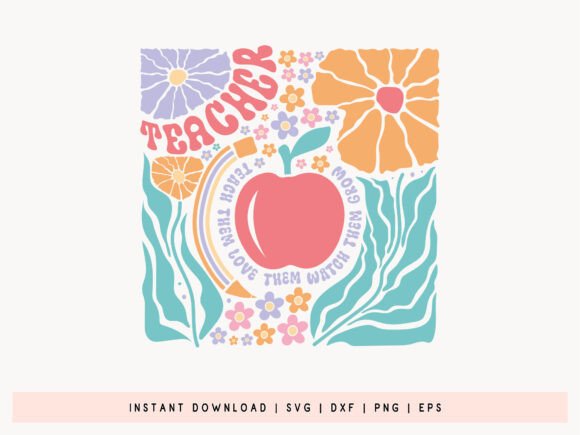
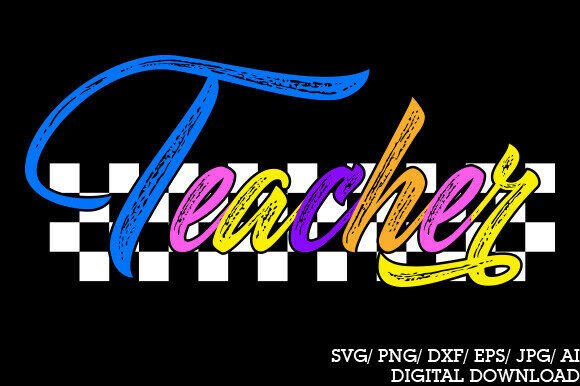
As someone who regularly turns digital files into physical, stitched products, my first question about any new design is always: will it work? When I look at the Teacher Coquette Sublimation PNG SVG, I'm immediately considering it not just as a graphic on a screen, but as thread on fabric. It’s a design that arrives with a clear personality—playful, affectionate, and undeniably sweet. The "coquette" styling suggests a delicate, feminine charm, blended with a teacher appreciation theme. This isn't a blunt, generic school logo; it’s a design with mood. That mood is its greatest asset for makers targeting a specific customer: someone looking for a gift that feels personal, thoughtful, and a little bit special.
Where This Design Finds Its Perfect Home
Let’s picture a real scenario. You're preparing items for a spring craft fair, or perhaps curating a collection of teacher gifts for an Etsy shop. A customer wants a custom embroidered tote bag for their child's kindergarten teacher. They don't want just a name; they want something that conveys gratitude with style. The Teacher Coquette design immediately comes to mind. Its aesthetic feels ideal for a tote bag, a lightweight sweatshirt, or a decorative pillow cover—items where the design can be a central, appreciated feature rather than a tiny logo.
For apparel decorators, this would shine on a ladies' crewneck sweatshirt or a soft t-shirt. For small shops focusing on handmade gifts, imagine it on a kitchen towel for a teacher who loves baking, or as a beautifully framed patch. The design's visual personality lends itself to products meant for presentation, for gifting, for occasions like Teacher Appreciation Week, end-of-term gifts, or even a "thank you" present from a parent group. It elevates a simple item into a keepsake.
Considering the Stitch: Practical Performance Notes
Translating this from a PNG/SVG to a stitched piece requires some practical thinking. The likely intricate details and potential cursive elements in a "coquette" style mean you must be mindful of stitch density and small details. On textured fabrics like a sweater knit or a canvas tote bag, fine lines might need adjustment to remain clear. I always advise testing first on a scrap of the same fabric you plan to use for the final product. This is crucial.
For darker fabrics, the color palette implied by the design's style—likely softer, lighter tones—will demand high-contrast thread choices to maintain its delicate appeal. A light design on a dark background can be stunning, but it requires careful thread selection and possibly a different stabilizer approach to keep the stitches crisp. On curved surfaces like caps, the overall layout and size need to be checked; a design with widespread elements might not adapt well to a confined, curved hoop area.
Where You Might Want to Proceed with Caution
While this design feels perfect for statement pieces, there are applications where I'd be more cautious. Embroidering it onto very small items, like a baby's tiny tee, could force you to shrink it so much that the charming details vanish and the stitch areas become overly dense. Similarly, on thin, stretchy fabrics without proper stabilizer, the design could pucker or distort. The potential for small, decorative accents within the design means you must inspect the file closely; tiny flourishes might convert to a confusing blob of stitches if the hoop size is too small or the machine translation isn't optimal.
Products destined for frequent, heavy washing—like everyday aprons or workwear—need a robust embroidery approach. A design with a lot of fill stitch area might hold up better than one with many fine running stitch outlines. Again, testing is your best friend here.
The Impact on Your Product and Your Customer
Using a design with this distinct character does more than just decorate a product; it affects customer trust and product value. When a buyer sees this embroidered on a handmade item, it communicates care and curation. It suggests you’ve chosen a design with thought, not just picked a generic graphic. That builds brand consistency for a creative entrepreneur focused on gifts or teacher-themed merchandise. The design's inherent giftability and recognition factor—it's clearly for a teacher, but in a stylish way—can directly boost buyer engagement in your Etsy listings or craft fair table.
For commercial embroidery projects, such as producing a batch of tote bags for a school's fundraiser, this design adds a professional, cohesive look that standard text doesn't achieve. It makes the finished product feel designed, not just labeled.
Essential Designer Notes Before You Hoop
Before you commit this to a client's project or your own shop inventory, run through these quick checks. First, always verify the actual embroidery file formats included and their compatibility with your machine—the product listing mentions a zip file, so inspect what's inside. Test the design on both light and dark scrap fabric to judge thread color contrast. Review the stitch density in your software preview; look for any overly dense areas that might be stiff on softer fabrics.
Check whether the design elements, especially any lettering, remain clear and legible at your intended size. Create simple black and white mockups to see how the layout feels on different products—a tote bag, a pillow, a sweatshirt. This visual exercise is invaluable. Use proper stabilizer suited to your base fabric; this is non-negotiable for preserving the design's integrity.
Finally, and most importantly, confirm the licensing terms. Can you use this embroidery file for personal projects? For commercial products you sell? For digital products like printable mockups? The product description doesn't specify, so it is your responsibility to clarify this before selling any finished items. Never assume.
The Teacher Coquette Sublimation PNG SVG presents a lovely opportunity. It’s a design that, with careful practical application, can transform a simple blank into a cherished, handmade product. Its mood is its magic, and that magic is worth translating thoughtfully into thread.