Teacher Valentine Coquette Pencil: A Designer’s Review
When you’re scrolling through graphics for your next embroidery project, it’s easy to get caught up in aesthetics alone. But as someone who has to translate a digital file into actual stitches on actual fabric—often for a paying client—the real test begins long before the hoop is clamped. Let’s talk about the Teacher Valentine Coquette Pencil SVG from a practical, stitch-by-stitch perspective.
The First Impression: Sweetness with a Professional Touch
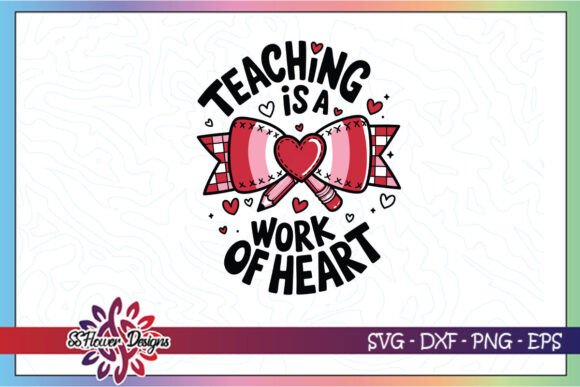
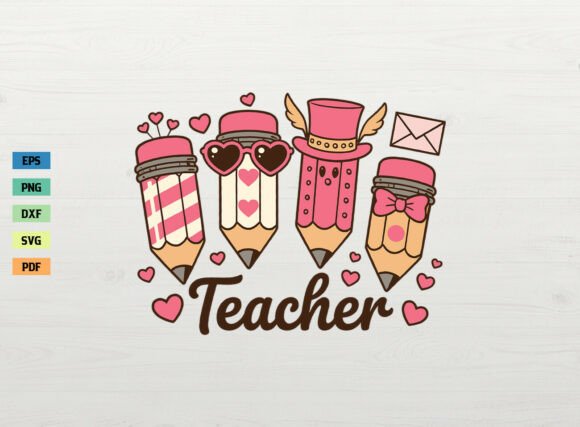
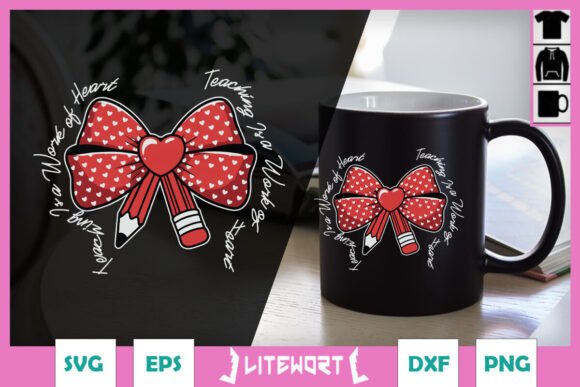
Opening this design, my immediate thought was that it strikes a lovely balance. The “coquette” style brings a playful, feminine softness—those delicate hearts and the ribbon-like bow on the pencil—while the core theme remains clearly professional and heartfelt. It doesn’t scream “generic teacher gift”; it whispers “thoughtful, personalized token.” The layout is centered and balanced, making it a dependable choice for a straightforward, focal-point embroidery project. The detail level feels intentional: there’s enough visual interest to make it special, but nothing so minute that it would become a nightmare of thread breaks on, say, a textured sweatshirt.
Where This Design Shines in Real Projects
Imagine you’re preparing a custom embroidered tote bag for a boutique client who wants a gift for her child’s kindergarten teacher. This design is practically tailor-made for that scenario. The pre-sized format for cups suggests it’s ready for smaller, detailed items, but scaled up, it would be stunning on a canvas tote, a linen apron, or a cotton pillow cover destined for a teacher’s lounge. The high-resolution PNG with a transparent background is a boon for creating printable mockups for your Etsy listings or client previews, allowing you to show exactly how it will look on a dark or light fabric background before you stitch a single thread.
I’ve mentally run it through several use cases: a single-color satin stitch outline on a baby blanket for a teacher’s new nursery, a multi-color fill stitch version on a tea towel for a holiday gift, or even as a simplified running stitch design on a cap for a sporty educator. Its personality is adaptable. For apparel decorators, it’s a strong candidate for the center of a sweatshirt or the pocket of a polo shirt. For craft business owners selling handmade patches, this design, rendered as an embroidered patch, would carry a high perceived value—it’s recognizably sweet and specific.
The Handmade Presentation and Customer Trust
Using a design like this affects more than just the product; it affects your customer’s perception. A clean, well-proportioned embroidery file that stitches out clearly communicates professionalism. It builds trust. When a client sees that the tiny hearts are distinct and the pencil shape is crisp, they associate your craft business with quality. That’s invaluable. For gifts, this design’s “giftability” is high—it feels personal without being overly intimate, making it suitable for both close relationships and more formal thank-you presents from a group.
Points of Careful Consideration Before Hooping
No design is universally perfect, and a thoughtful embroidery designer always plans for the friction points. Given the included details like the small hearts and the bow, I would be cautious on very small hoop sizes if you’re trying to preserve every detail. On highly textured fabrics, like a loose-knit sweater, those fine elements might get lost. Similarly, on thin or stretchy fabrics, a denser fill stitch area could require extra stabilizer and careful tension adjustments to prevent puckering.
Dark fabric is always a consideration. The design’s playful mood relies on its lightness; translating it to a dark background means a thoughtful thread color strategy is essential to maintain that coquette feel. On curved surfaces like caps, the elongated pencil shape should be tested in a mockup first to ensure it follows the curve gracefully without distortion. And for products destined for frequent washing—like kitchen towels or baby clothes—you’d want to review the stitch density to ensure durability.
Practical Notes from the Embroidery Machine
Before I would ever run this for a client project, my process would be straightforward. First, I’d stitch it out on scrap fabric of the same type I plan to use—a simple test to check thread color contrast and to inspect how the small details translate at my intended size. I’d review the stitch density in my software to see if adjustments are needed for my specific fabric. I’d confirm the hoop size required versus the project size.
I’d also test it in black and white mockups to see how the silhouette holds up, a good practice for understanding its core shape. Crucially, I would verify the licensing terms of this digital embroidery file before selling any finished product or incorporating it into commercial embroidery projects for my small shop. The provided formats—SVG, PNG, DXF—indicate flexibility for design programs, but the specifics of personal versus commercial use are not detailed here, so that’s a necessary check.
A Design That Elevates Your Creative Business
Ultimately, the Teacher Valentine Coquette Pencil SVG feels like a reliable design asset. It has a clear mood and a versatile application that fits within the crafts and graphics space seamlessly. For creative entrepreneurs, it’s a design that can become a staple in your holiday gift or teacher appreciation offerings. It stitches up into a product that looks handmade in the best sense—considered, skilled, and full of charm. That’s the kind of finished product that keeps customers coming back and makes your embroidery project feel not just like a task, but like a genuine creation.
So, load it into your program, look at it with your designer’s eye, and imagine it on that tote bag, that apron, that little patch. Then, with your practical knowledge in hand, go make it real.