Teacher is a Work of Heart: A Designer’s Hands-On Review
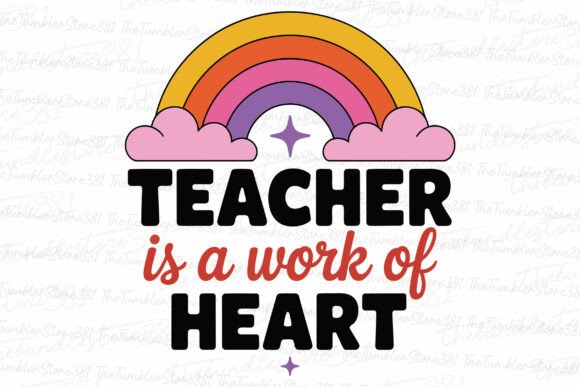
When I pull up the Teacher is a Work of Heart SVG file, my first thought isn’t about what it is, but about where it should live. This isn’t just a graphic; it’s a sentiment waiting for a canvas. The design’s personality is immediately clear: warm, appreciative, and heartfelt. The layout, with that central "heart" concept, feels balanced and intentionally gentle. It doesn’t scream; it speaks softly. That tells me it belongs on projects meant to convey genuine gratitude, not just generic branding.
The Natural Habitat for This Embroidered Sentiment
Imagine a custom tote bag for a retiring educator, or a cozy fleece blanket for a favorite tutor. This design has a homey, personal quality. In my practice, I’d instinctively steer it toward gift-oriented, keepsake items. A crisp apron for a classroom volunteer, a delicate pillow cover for a teacher’s lounge, or a simple, elegant patch on a denim jacket—these are the real-life scenarios where Teacher is a Work of Heart shines. It elevates a basic sweatshirt or t-shirt into a personalized tribute, which is exactly what small business owners and Etsy sellers are looking for in their handmade product lines.
How It Stitches Up in Real-World Projects
The true test of any embroidery file is how it performs once the needle starts moving. For a design like this, clarity is paramount. That phrase, "a work of heart," needs to read cleanly, especially on textured fabrics like canvas tote bags or the nubby surface of a tea towel. On baby clothes or lightweight apparel, the stitch density must be managed to prevent stiffness. I’ve found similar designs excel when used as a central, standalone motif on caps or the front of a pillow cover—it becomes the focal point without competing clutter.
In commercial embroidery projects, such as a batch of embroidered patches for a school’s fundraiser, this design offers strong recognition and a professional, finished look that builds customer trust. For digital product sellers offering printable mockups, its clean lines and positive theme make for engaging design assets that help visualize the final product beautifully.
Where a Little Extra Caution Pays Off
Not every fabric or product is an ideal match. The detail in the lettering and the potential for smaller decorative accents mean you should think twice before putting it on very thin, stretchy fabric without excellent stabilizer. Dark fabric backgrounds demand careful thread color contrast planning—test that on scrap first. Embroidering on curved surfaces like caps requires checking that the layout adapts well to the shape without distorting the message.
Also, consider the end use. Products destined for frequent washing, like kitchen towels or everyday apparel, need a robust stitch construction. Areas of dense fill stitch, if present, can affect flexibility. My advice is always to run a test stitch, even a small section, to inspect the small details and confirm the hoop size feels right for the intended application.
Translating the Digital File into Customer Appeal
The value of an embroidery design like Teacher is a Work of Heart lies in its transformation from a graphic on a screen to a stitched object in someone’s hands. It affects visual appeal by adding a layer of crafted texture. That handmade presentation boosts product value and giftability immensely. For a craft business, consistently using well-executed, thoughtful designs reinforces brand consistency. It tells your buyer you care about the meaning behind the product, not just the product itself.
When I prepare such a design for a client project, I think about the reaction. Will it feel special? Will it look clean and intentional on the finished product? This design, with its universal theme of appreciation, answers yes. It engages buyers by tapping into a real emotion—making it a strong candidate for holiday gifts, wedding gifts for a special teacher, or boutique merchandise around back-to-school or end-of-year seasons.
A Designer’s Practical Notes Before You Hoop It
Before you commit this to a final project, here are my grounded, everyday steps. First, check the licensing for your intended use. Are you making one personalized gift, or selling finished items in your small shop? Confirm the terms. Second, run the embroidery file on your scrap fabric—the same fabric you’ll use for the real product. Compare how it looks on light and dark backgrounds; you might need to adjust your thread palette.
Assess the design in black and white mockups to judge contrast and form stripped of color. Use proper stabilizer for your chosen fabric texture—this is non-negotiable for stitching clarity. Finally, consider the scale. Does it work as a subtle accent on a baby blanket’s corner, or does it need to be larger, dominating a wood sign mockup? Your intended Crafts and Graphics application dictates this. The machine embroidery design should serve the product, not the other way around.
Teacher is a Work of Heart SVg, at its core, is a tool for expressing care. In the hands of an embroidery designer or a creative entrepreneur, it becomes more than a digital embroidery file. It becomes the reason a custom apparel item feels meaningful, an embroidered patch becomes a treasured token, and a simple tote bag design carries a much heavier weight of gratitude. Approach it with that practical mindset, and your finished product will undoubtedly reflect that heart.