Little Hands Teacher Life Colorful: A Designer's Embroidery Review
As someone who stitches for clients and my own small shop, I see dozens of designs a week. My first job is to filter: which ones are merely cute, and which ones have the bones to become a standout, well-made product? When I opened the Little Hands Teacher Life Colorful design, my immediate impression was that this was the latter. It’s a design with a purpose and a clear, joyful mood.
The Mood and Personality It Brings to a Project
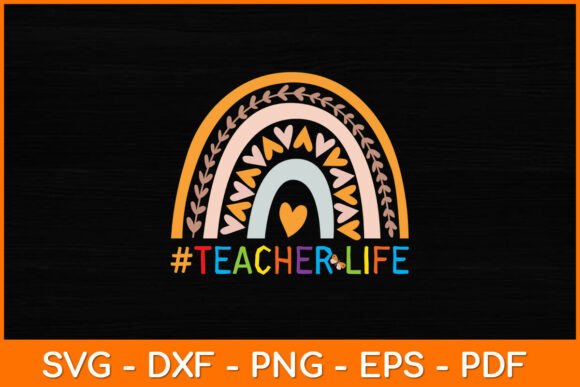
This isn’t a generic graphic. The rainbow element paired with the “teacher life” theme creates an instant vibe of cheerful dedication. It feels warm, appreciative, and slightly whimsical—perfect for a gift or a personal statement. The layout, with its central motif, is balanced and straightforward, which from an embroidery perspective is excellent. It means the design will translate cleanly into stitches without awkward, hard-to-execute negative space. The detail level looks manageable; it’s not overly dense, suggesting it won’t require a huge number of thread colors or turn into a stiff, bulky patch on lighter fabrics. This visual personality naturally belongs to projects meant to celebrate, thank, or identify—think custom apparel, personalized gifts, or boutique merchandise for educators.
A Real-Life Scenario: Crafting a Custom Teacher Tote Bag
Let’s walk through a real case. I’m preparing a custom embroidered tote bag as a end-of-year gift from a class. The bag is a sturdy canvas. I’m thinking about how this design will stitch out. The colorful rainbow elements will need a good satin stitch or a crisp fill stitch to look vibrant. The text needs to remain legible without being overly thick. On a medium-sized hoop, I anticipate this design will perform well. The finished product should feel handmade but professional, exactly the tone you want for a meaningful gift. A customer’s reaction? They’ll likely focus on the sentiment and the clean execution, not on any stitching flaws, because the design’s clarity lends itself to a tidy finish.
Where It Shines in Real Embroidery Situations
This design has a wide range of application, which is great for craft businesses. For custom apparel like sweatshirts or t-shirts, it’s sized appropriately to be a focal point without overwhelming the garment. For tote bags, aprons, or pillow covers, it becomes a decorative accent that tells a story. It’s also ideal for baby items or nursery decor if you’re personalizing something for a teacher’s new baby—the “little hands” theme doubles nicely. As an embroidered patch, it could be applied to caps or jackets. For holiday gifts or wedding gifts for a teacher couple, it adds a personalized touch that’s more lasting than a card.
From a commercial standpoint, for Etsy sellers or small shop owners, this design stitches into a product that feels cohesive. It boosts visual appeal and, when executed well, increases perceived product value. It fosters customer trust because a clean, recognizable design looks professional. Its giftability is high, and its theme offers instant recognition for a specific niche, which helps with buyer engagement in online listings or at craft fairs.
Where You Need to Proceed with Care
No design is universally perfect, and practical judgment is key. With Little Hands Teacher Life Colorful, I’d be cautious on very small hoop sizes. If the text element is reduced too much, the stitch clarity might suffer. On highly textured or stretchy fabrics, like some thin knits, the detail might get lost without the right stabilizer. Embroidering on dark fabric would require a thoughtful thread color choice for contrast—the rainbow colors would need to be bright and possibly slightly altered from a standard palette to pop. On curved surfaces like caps, the design’s width might need adjustment to fit comfortably.
The tiny details, like the interior lines of the hands or rainbow, need inspection in your test stitch-out. Are they so fine they’ll vanish or become a messy running stitch? Also, on products destined for frequent washing, like kitchen towels or baby clothes, consider the stitch density. A less dense fill will hold up better over time. This isn’t a limitation of the design itself, but a reminder to adapt your embroidery technique to the final product’s use.
Practical Notes for the Embroidery Designer
Before you commit this to a client’s project or your shop inventory, do the groundwork. Always test the design on scrap fabric first, using the same material you intend for the final product. Check thread color contrast against your fabric background—run a simple black and white mockup in your software to see how the shapes hold up without color. Review the stitch density in your embroidery file preview; if it looks overly thick, you might adjust your machine settings.
Confirm the hoop size you’ll need. Inspect the small details by zooming in on the file. Compare how it looks conceptually on both light and dark fabric backgrounds, as you might need different thread strategies for each. Use a proper stabilizer for the fabric type; this is crucial for maintaining the design’s shape and detail. Finally, since this is a digital embroidery file, check the licensing before selling finished items or commercial embroidery projects. The product description indicates it’s a graphic file, so ensure your use aligns with its intended licensing for crafts and graphics.
This design, when approached with this practical mindset, becomes a reliable asset. It can produce a high-quality finished product that enhances your handmade presentation and brand consistency. Whether for a one-off personalized gift or a line of teacher-themed small shop merchandise, Little Hands Teacher Life Colorful has the substance to back up its cheerful style.