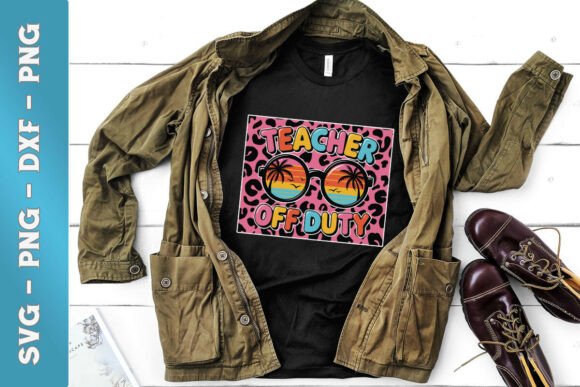
A Teacher's Perfect Break: Off Duty, Class Dismissed
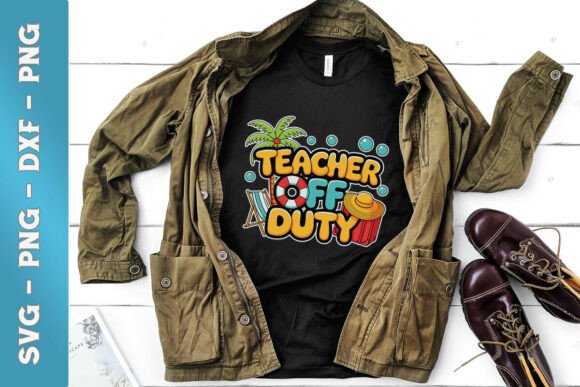
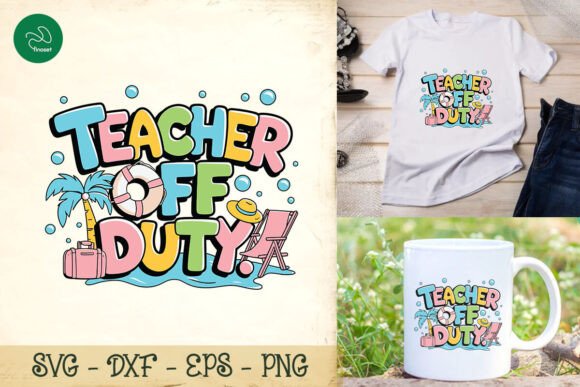
As a designer who stitches client projects daily, I see a lot of files. When evaluating Teacher Off Duty Class Dismissed SVG for embroidery, my first thought isn't about the download link. It's about the mood it will create once stitched onto fabric. This design speaks to a specific, joyful feeling: the sheer relief and pride of a teacher’s hard-earned downtime. The playful sentiment makes it instantly appealing as a personalized gift or a standout item for a craft business.
The Personality on Fabric: More Than Just Words
The layout is straightforward, but that’s its strength. For embroidery, especially on items like tote bags or pillow covers, clarity is king. A clean, bold statement like this translates beautifully into stitches. It avoids overly intricate details that can become fuzzy or require tiny, difficult satin stitches. The personality is friendly and confident, perfect for creating a product that feels handmade yet professional.
Imagine stitching this onto a cozy sweatshirt for a favorite educator. The visual isn’t cluttered; it’s a clear declaration. In my experience, that kind of direct, heartwarming message resonates deeply with customers. It turns a simple embroidered apparel item into a meaningful keepsake.
Where This Design Finds Its Natural Home
This SVG naturally belongs to a whole category of projects. I’d immediately consider it for:
- Custom apparel: A left-chest embroidery on a polo shirt or a central motif on a soft hoodie.
- Home goods: Embroidered onto a kitchen towel or the corner of a throw blanket for a teacher’s lounge.
- Personalized gifts: Stitched onto a durable tote bag for carrying those “off-duty” belongings.
- Small shop merchandise: As a bestselling embroidered patch or a featured design on aprons for a craft fair.
The theme is versatile. It could work for a baby’s onesie as a gift for a new mom who’s a teacher, or as a bold statement on a cap. The key is pairing it with the right fabric and product to amplify its cheerful message.
Practical Stitching: Considerations for a Clean Finish
In real-life embroidery situations, success depends on foresight. For an embroidery file derived from this SVG, here’s what I’d think through before hooping my fabric.
Fabric choice is crucial. This design, with its likely solid lettering, would look stunning on medium-weight fabrics like cotton canvas for a tote or a sturdy quilting cotton for a pillow cover. On a stretchy fabric like a t-shirt, using a solid stabilizer is non-negotiable to prevent puckering and keep those letters sharp. For dark fabric backgrounds, you’d need to carefully select thread colors with high contrast—a bright white or a cheerful pastel—to maintain the design’s visibility and upbeat feel.
I’d be cautious about very small hoop sizes. If the design is scaled down too much for a tiny baby item or a hat’s curved surface, the lettering could become too dense, with satin stitches crowding together. Always test a scaled version on scrap fabric first. This preserves stitch clarity and the overall handmade presentation that customers value.
Enhancing Value and Trust Through Execution
How you stitch this design directly affects product value and customer trust. A crisp, clean embroidery of Teacher Off Duty Class Dismissed SVG on a well-made sweatshirt signals professionalism. It tells your buyer or gift recipient that care was taken. This builds brand consistency for a small business and boosts the giftability of the item. For an Etsy seller, a sharp finish makes for a superior product photo, increasing buyer engagement and recognition in a crowded marketplace.
Conversely, rushing onto a textured or thin fabric without proper stabilizer can lead to a wobbly, unclear result that undermines the design’s confident personality. The difference is in the preparation.
Designer Notes From the Hoop
Before committing this to a client’s project or a batch of craft business items, my routine checks are:
- Test, test, test. Run the embroidery file on a scrap of the actual project fabric. Check thread color contrast and stitch density.
- Inspect the small details. Even in a clean design, corners of letters matter. Ensure your machine settings produce clean turns.
- Consider the background. Create simple black and white mockups, or stitch samples on both light and dark fabric to visualize the final product.
- Plan for longevity. For items like aprons or kitchen towels that need frequent washing, a robust fill stitch and quality threads will keep the message looking great.
A critical, often overlooked step is confirming licensing. Since the product description states it’s a digital cutting file, if you intend to use an embroidery version for commercial projects—selling finished embroidered tote bags or patches—you must verify that your adaptation and use are permitted. This protects your craft business and respects the original designer.
The Final Stitch: A Design Built for Real Projects
Evaluating Teacher Off Duty Class Dismissed SVG from an embroidery standpoint, I see a design asset with strong practical appeal. Its straightforward, mood-driven theme translates into embroidery projects that feel personal and professional. It’s a design that would shine on a custom apparel gift, add charm to boutique home decor, or become a reliable bestseller in a small shop focused on educator appreciation.
The true test of any design is on the fabric, under the needle. With thoughtful fabric selection, careful scaling, and the essential prep work of testing and stabilizing, this concept can stitch out as a clear, joyful, and valuable finished product. It’s a reminder that in the world of handmade and commercial embroidery, the simplest sentiments, executed with care, often stitch the strongest connection.