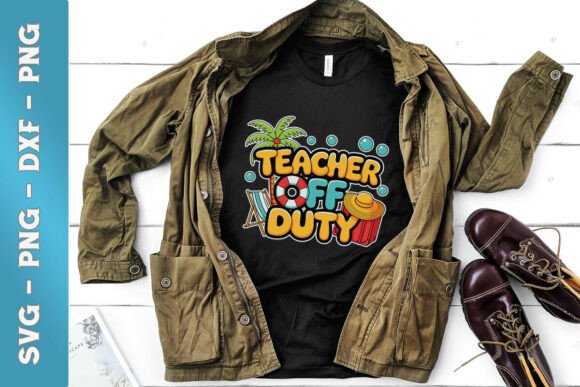
A Designer's Review of the Teacher Off Duty Summer SVG
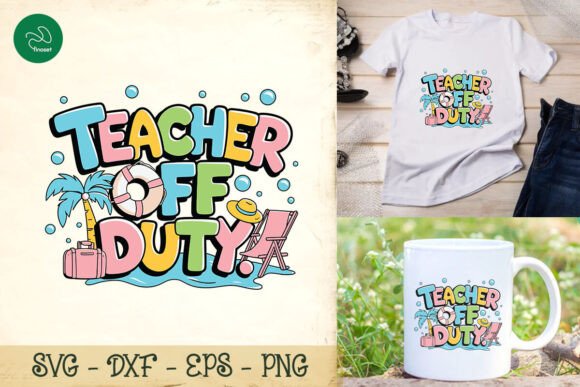
When a new embroidery file lands in my digital library, my first thought isn't just about the design itself, but about the story it can stitch. The Teacher Off Duty Summer SVG immediately paints a clear, relatable picture. It’s cheerful, relaxed, and speaks directly to a specific moment—that cherished summer break. This isn't a generic seasonal graphic; it has a personality. The layout and theme feel like they’re celebrating a well-earned vacation, which gives any embroidered product an instant emotional hook.
The Mood It Stitches and the Projects It Suits
From a designer’s perspective, the visual personality here is lighthearted and declarative. This makes it a natural fit for personalized gifts and merchandise aimed at educators, or for anyone wanting to celebrate a summer state of mind. I can immediately envision it on a cozy, washed-cotton sweatshirt—a piece a teacher would genuinely wear on a casual Friday or a weekend getaway. The theme lends itself perfectly to items that feel like a personal reward or a shared celebration.
In real-life embroidery situations, its application is wonderfully broad. Think of a durable canvas tote bag for carrying beach reads, a soft cotton apron for summer barbecues, or a crisp pillow cover for a sunny reading nook. For small business owners and Etsy sellers, this design could elevate simple products like kitchen towels or baby onesies into thoughtful, themed gifts. As a boutique product, it adds a layer of recognition and niche appeal that generic designs lack.
Where This Design Finds Its Home (And Where It Might Struggle)
My practical judgment, based on stitching countless designs, tells me this SVG’s success will hinge on thoughtful application. The likely inclusion of lettering and decorative elements means stitch density and small details need careful consideration. On textured fabrics like thick sweaters or on curved surfaces like caps, small lettering can lose clarity without proper stabilizer and precise hoop placement. On dark fabric, thread color contrast is paramount; a simple black and white mockup test before stitching is a non-negotiable step.
For products that need frequent washing, such as baby clothes or kitchen linens, I would be cautious about very dense fill stitch areas, which can stiffen fabric and wear differently. Testing on scrap fabric first, matching the final product's material, is always the best practice. This isn't a limitation of the design itself, but a universal rule for ensuring a finished product maintains its quality and visual appeal.
Turning a Digital File into a Trusted Product
When I evaluate a design for commercial embroidery or client projects, I think about the entire chain from digital file to customer reaction. The Teacher Off Duty Summer SVG, when embroidered cleanly on a well-chosen item, enhances product value through its specific, relatable message. It feels handmade and thoughtful, which builds customer trust and engagement far more than a mass-market graphic.
For creative entrepreneurs, this kind of design supports brand consistency for shops focused on educator gifts, seasonal themes, or celebratory apparel. Its giftability is high—it’s a message people want to give and receive. However, professionalism comes from our execution. We must confirm the licensing terms before selling finished items to ensure our craft business operates smoothly and ethically.
A Practical Scenario: The Embroidered Summer Tote
Let’s walk through a real case. Imagine I’m preparing a custom embroidered tote bag for a client who is a teacher. I select a sturdy, natural linen fabric. My first step is always to run a test on a linen scrap to check the design’s scale, the required hoop size, and how the satin stitch or fill stitch areas interact with the weave. I’d pay close attention to any tiny decorative accents, like a small sun or flip-flop icon, ensuring they are distinct and not lost in the fabric texture.
I’d choose thread colors that pop against the linen but still feel summery—perhaps a bright coral or a sunny yellow. The final result would be a product that feels intentional and high-quality. The client’s reaction wouldn't just be about a nice tote; it would be about seeing a perfect sentiment for their summer off embodied in a usable, beautiful item. That’s the power of a well-chosen and well-executed embroidery design.
Essential Designer Notes Before You Stitch
Before you load this embroidery file into your machine, here’s a condensed list of the practical steps that separate a good project from a great one.
- Always, always test on scrap fabric that matches your final product’s weight and texture.
- Check thread color contrast for both light and dark fabric backgrounds. Create simple mockups to visualize.
- Review the design's detail level in your software. Identify any areas that might require a smaller hoop or adjusted stitch settings.
- Use proper stabilizer for the fabric. This is crucial for maintaining stitching clarity, especially on stretchy or thin fabrics.
- Confirm the licensing for your intended use—personal project, personalized gift, or commercial embroidery for your small shop product.
- Consider the end product’s life. Will it be washed often? Ensure stitch density is appropriate for durability.
The Teacher Off Duty Summer SVG has the inherent charm to be a standout on custom apparel, embroidered patches, or home decor. But its success is a partnership between the digital design and your skilled, thoughtful application. By treating it as a design asset worthy of this preparation, you transform it from a digital cutting file into a finished product that carries both quality and meaning, delighting your customers and elevating your craft.