Teacher Mode Always On: A Design Review for Embroidery Projects
Let’s talk about the Teacher Mode Always On SVG from a practical embroidery perspective. When a design file lands in my library, my first question isn’t just about its aesthetic, but about its real-world performance. How will it stitch out? Where does it truly belong? What kind of project will it elevate? This review is about putting this design through that lens, imagining it on fabric, and thinking about the hands that will make it and the people who will wear or use it.
The Immediate Mood and Visual Personality
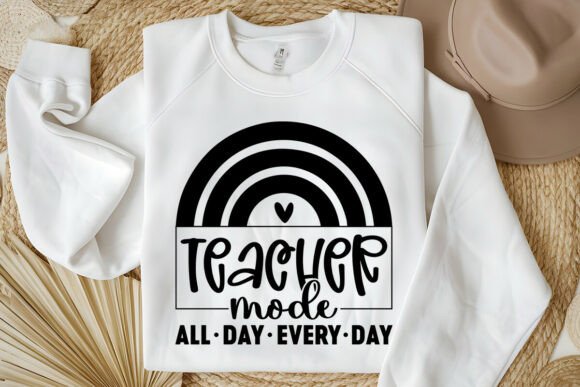
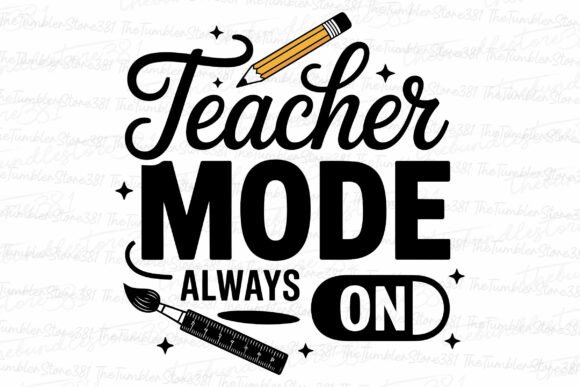
Opening this file, the first impression is one of cheerful dedication. The phrase “Teacher Mode Always On” carries a lighthearted, proud energy that’s perfect for celebrating educators. The layout and typography feel balanced and friendly, not overly rigid or formal. This isn’t a corporate logo; it’s a personal badge of honor. For embroidery, this means the design translates into a project with a warm, appreciative vibe. It feels destined for personalized gifts, celebratory items, or boutique merchandise aimed at teachers, teaching families, or school supporters.
Where This Embroidery Design Naturally Thrives
In my mind, I immediately picture this as a standout feature on a canvas tote bag—a practical, daily-use item for a teacher. The scale would be perfect, offering great visibility without overwhelming the bag’s surface. Similarly, it would stitch out beautifully on the left chest of a soft, heavyweight sweatshirt, becoming a cozy, personal statement piece. I also see strong potential for a neatly embroidered patch, which could be applied to a denim jacket or a backpack, offering flexibility.
For smaller, delicate applications, consider a baby onesie or a child’s t-shirt for a teacher’s little one—a sweet nod to the parent’s profession. In home decor, a simple, clean pillow cover or a kitchen towel in a teacher’s home would make a thoughtful, understated gift. The design’s clarity makes it a reliable choice for custom apparel and handmade products meant to convey recognition and appreciation.
Performance in Real-Life Embroidery Situations
Moving from imagination to the machine, how would this embroidery file perform? The key considerations are stitch density and detail level. Designs with text like this need clean, crisp lettering. Assuming the file is well-digitized, the satin stitches for the letters should be smooth, and any fill stitches in accompanying elements (if present) should be dense enough to look solid but not so dense they distort lighter fabrics.
For a project like an embroidered tote bag, you’d want a sturdy stabilizer to handle the canvas texture and prevent puckering. On a sweatshirt embroidery project, especially on fleece-backed fabric, using the correct stabilizer is equally crucial to maintain the design’s shape and prevent the fabric from bubbling. On baby garments made from thinner cotton, you might opt for a lighter-weight stabilizer and consider reducing the stitch density if the file allows, to keep the fabric soft and flexible.
This design also has strong potential in commercial contexts. For an Etsy seller or small shop product line focused on educator gifts, it could become a core design asset. It would work well in printable mockups for digital storefronts, showing customers a clear vision of the finished product. For craft fair products, pre-made embroidered tea towels or caps with this design would likely attract buyers looking for a meaningful, niche gift.
Scenarios Requiring Extra Care and Testing
Not every project is an ideal fit. Here’s where a designer’s caution comes in. If the design includes very small lettering or intricate decorative accents, stitching it onto a curved surface like a cap brim could be tricky—small details might lose clarity. On highly textured fabrics like a waffle-knit towel, the stitch definition might soften, so a bold thread color contrast is key.
Working on dark fabric demands thoughtful thread color selection; a bright, contrasting palette will ensure the message pops. For items that need frequent washing, like aprons or everyday t-shirts, testing the stitch integrity and durability on scrap fabric first is a must. Also, for very small hoop sizes, ensure the design’s scale remains legible and doesn’t become cramped.
Impact on Visual Appeal and Customer Perception
From a business and gift-giving angle, a well-executed embroidery of this design adds significant value. It moves from being a generic graphic to a tangible, quality handmade product. The physical texture of the stitches conveys care and craftsmanship. For a customer receiving this as a personalized gift, that tactile quality enhances the emotional impact. For a craft business, a clean, professional stitch-out builds customer trust and reinforces brand consistency.
The design’s theme has high giftability and recognition. It speaks directly to a specific, appreciative audience. This focused appeal can drive higher engagement in Etsy listings or boutique displays because it solves a specific need—finding a perfect teacher gift. In a commercial embroidery setting, such as a shop offering custom teacher appreciation items for schools, it becomes a reliable, requested asset.
Practical Notes for the Embroidery Designer
Before you stitch this for a client or your shop, here’s my standard checklist. First, always test the design on scrap fabric identical to your project fabric. This reveals how the stitch density behaves and if any adjustments are needed. Check thread color contrast against both light and dark backgrounds; perhaps create simple black and white mockups to visualize it.
Confirm the physical hoop size required to achieve the size you want for your specific product—a tote bag needs a different scale than a baby bib. Inspect any small details in the file; if there are tiny dots or delicate lines, ensure your machine and thread choice can render them clearly. Use the proper stabilizer for your fabric texture; don’t skip this step.
Most importantly, since the product description mentions use for DIY projects and handmade business lines, you must confirm licensing before selling finished items or digital products. Verify whether the file is intended for personal use only, or if commercial use is allowed. This is a critical step for any digital embroidery file you plan to use in your craft business.
The Teacher Mode Always On SVG, from the Crafts and Graphics category, presents itself as a versatile, emotion-driven design. Its real value is unlocked by the embroidery designer who thoughtfully pairs it with the right project, fabric, and execution. When stitched with care, it transforms from a digital graphic into a heartfelt, durable emblem of appreciation—the kind of finished product that feels truly made, not just manufactured.