Teacher Groovy Clipart: A Designer's Practical Review
Let’s talk about Teacher Groovy Clipart from the perspective of someone who needs a design to actually work. When you’re preparing embroidery for a client’s gift, a product for your small shop, or even a personal project, the file you choose isn’t just a graphic—it’s the foundation of a finished product. Here’s my honest, practical evaluation of this design based on that real-world use.
The Immediate Mood and Personality
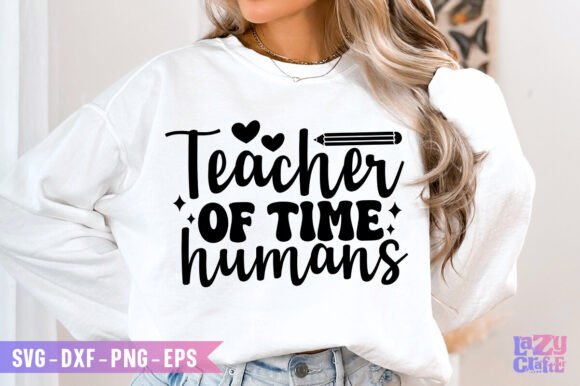
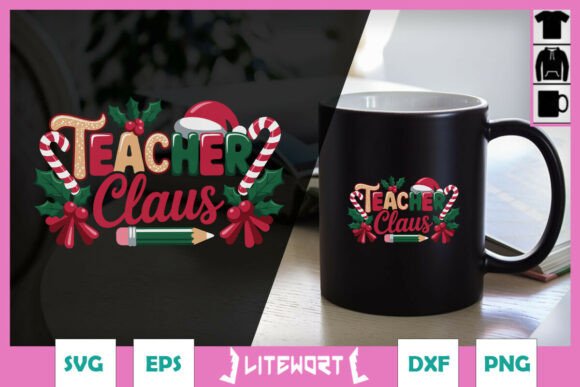
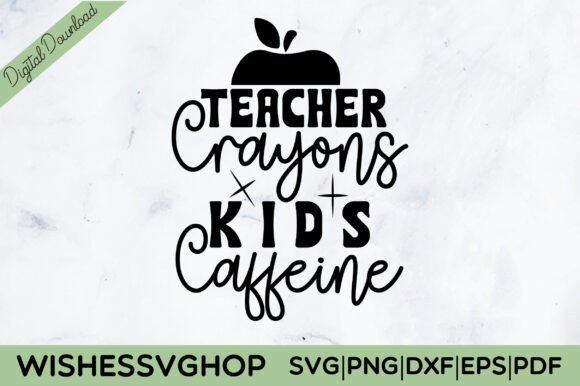
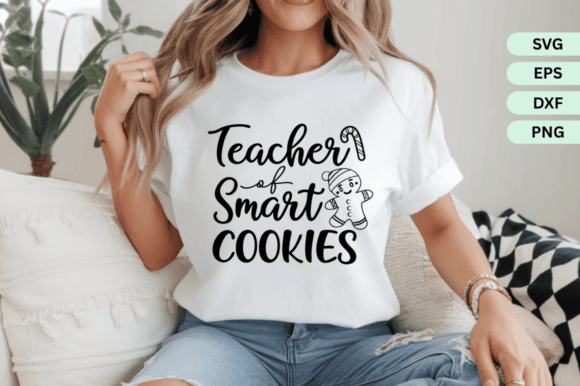
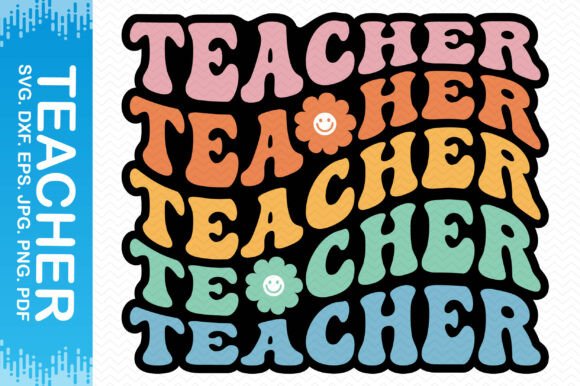
Opening Teacher Groovy Clipart, the first impression is a friendly, approachable vibe. It’s not overly serious or corporate; it has a playful, almost retro personality that feels warm and celebratory. This mood is crucial for embroidery because it translates directly into stitch choice and final product appeal. For a handmade item, this kind of design creates an instant emotional connection—think of a teacher’s gift that feels personal and thoughtfully chosen, not generic.
The layout and detail level appear balanced, not overly intricate. This is a positive sign for embroidery files, as extremely dense or tiny details can become muddled in stitching. The shapes look clean and defined, suggesting they’ll translate well into satin stitches for outlines and fill stitches for larger areas without losing clarity.
The Perfect Project Matches
I’m picturing this on a canvas tote bag for a teacher appreciation week sale in my Etsy shop. The groovy, cheerful theme would stitch up beautifully on that fabric texture. It’s also a strong candidate for a cozy sweatshirt—a popular personalized gift—or a decorative pillow cover for a classroom. For baby items or nursery decor with a teacher theme, the friendly aesthetic would work well, provided the fabric is stable enough to hold the design’s details.
Consider it for embroidered patches, too. The clear shapes and likely moderate stitch density make it suitable for a standalone patch that could be applied to aprons, caps, or backpacks. In a boutique setting, this design could anchor a line of teacher-themed merchandise, from tea towels to holiday gift sets, creating nice brand consistency across products.
Where This Design Excels in Real Stitching
On standard fabrics like cotton, linen, or stable polyester blends, Teacher Groovy Clipart should perform reliably. For custom apparel like t-shirts and sweatshirts, using a proper stabilizer will be key to maintaining that groovy crispness after washing. On tote bags and pillow covers—fabrics with less stretch—the design will likely look very clean, enhancing the handmade presentation and perceived value.
For digital product sellers, this file format range (SVG, PNG, EPS, etc.) is a practical advantage. It allows for creating printable mockups and previews easily, which is vital for customer engagement in online listings. When I think about commercial embroidery projects, such as producing a batch of embroidered caps for a school event, the scalability of the design is important. Its personality should remain recognizable even when stitched at a slightly smaller scale, which is a good test for any embroidery file.
Considerations and Careful Application
No design is universally perfect. Here’s where a practical designer would proceed with caution. On very textured fabrics, like some knits or heavy linens, the finer details might get lost. Stitching on dark fabric backgrounds requires careful thread color contrast planning—test this on scrap first. On curved surfaces like caps, the design’s layout needs to be checked in a hoop simulation to ensure no elements distort.
If the design contains any tiny lettering or very detailed corners, those areas need extra attention during machine setup. High stitch density in decorative accents can affect the fabric’s drape, especially on thinner garments. And for products destined for frequent washing, like baby clothes or kitchen towels, a robust stabilizer and quality thread are non-negotiable to preserve the design’s integrity and customer trust.
Affecting Your Business and Craft
Using a design like Teacher Groovy Clipart impacts more than just the stitch. It affects your product’s visual appeal and giftability. A well-executed, cheerful embroidery design on a tote or sweatshirt often feels more professional and polished, increasing buyer engagement at craft fairs or in your Etsy store. It supports brand consistency if you specialize in educator-themed or celebratory handmade products.
For commercial embroidery and craft business use, always confirm the licensing terms for Teacher Groovy Clipart before selling finished items or digital products derived from it. This is a fundamental step for professionalism and legal safety.
Practical Notes Before You Hoop the Fabric
My final advice mirrors my own workflow. Always test Teacher Groovy Clipart on scrap fabric of the same type you’ll use for the final product. This reveals true stitch density, thread color interactions, and any small detail issues. Check it in both black and white digital mockups to see how it reads on light and dark backgrounds conceptually.
Confirm the hoop size you intend to use can accommodate the design’s dimensions comfortably—don’t force a large design into a tiny hoop. Inspect the provided files to understand which format is optimal for your specific machine embroidery design process. Remember, an embroidery file’s true value is proven only when it becomes a clean, durable, and beautiful finished product.
In the end, Teacher Groovy Clipart presents itself as a graphics asset with a personality suited for a range of real projects. Its friendly, groovy mood can translate into stitches that delight customers and recipients, provided you apply your embroidery expertise to the practicalities of fabric, thread, and stabilizer. That’s where the real design work happens.