Evaluating a Preschool or Night School? SVG Embroidery Design
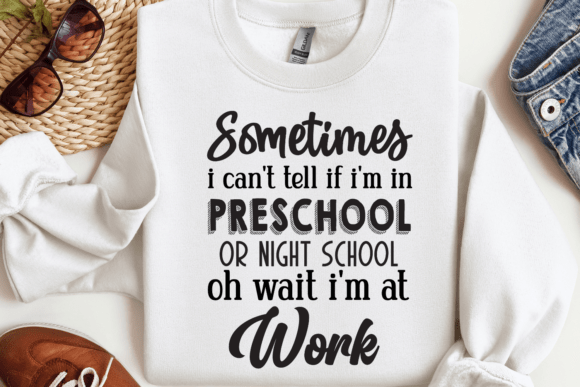
When a new embroidery file lands in my digital library, I always approach it from a practical perspective. How will it stitch out? What kind of projects will it elevate? Will clients and customers connect with it? Today, I’m considering the design titled Sometimes I Can’t Tell if I’m in Preschool or Night School Oh Wait I’m at Work. This isn’t just a catchy phrase; it’s a statement that resonates deeply with many people, making it a prime candidate for embroidery. Let’s imagine a scenario: you’re preparing a custom embroidered sweatshirt for a teacher friend who’s juggling graduate classes. This phrase isn’t just a gift; it’s a recognition of their reality. That’s the power a good design can hold.
The First Impression: Witty, Relatable, and Perfectly Balanced
The first thing you notice with this design is its clear, conversational tone. It’s not overly loud or garish; it feels like a witty personal admission. The layout, presumably in a clean, readable script or font style, suggests a design that’s about the message itself. There’s a visual personality here that’s confident yet friendly—perfect for creating a sense of camaraderie or self-aware humor on a finished product. This design naturally belongs to projects meant for adults in demanding, sometimes chaotic roles: educators, students balancing work, healthcare workers, or anyone feeling that blend of playful and serious environments.
Where This Design Finds Its Home
The applications for this embroidery design are wonderfully broad, precisely because its message is so universal. For custom apparel, it’s a standout choice for sweatshirts, t-shirts, and caps—items people wear to express their identity. For handmade products and small business merchandise, think of embroidered tote bags for coworkers, aprons for a quirky kitchen gift, or pillow covers for a home office. It’s excellent for personalized gifts, like a tea towel for a new teacher or a blanket for a night-shift nurse. As an Etsy seller or creative entrepreneur, this design could be the centerpiece of a whole series celebrating work-life humor, used in digital product previews and printable mockups to attract buyers. It also has strong potential as an embroidered patch, allowing people to add the sentiment to existing items.
Navigating the Stitching: Practical Performance Notes
In real-life embroidery projects, the success of this design hinges on clarity. The phrase is relatively long, so stitch density and hoop size are critical. On a large area like a sweatshirt back, it will shine. On a smaller item, like a cap or baby item (though the theme is adult-focused), you must ensure the lettering remains legible without crowding. I always advise testing on scrap fabric first. Check the thread color contrast against your background fabric. A light thread on a dark dark fabric like navy, or a dark thread on a light fabric, will maximize readability. Given the likely use on textured fabrics like fleece or stretched fabric like t-shirts, using the proper stabilizer is non-negotiable to prevent puckering and maintain the design’s sharpness.
Considerations for Careful Application
While versatile, there are places where this design requires extra thought. Small hoop sizes could compress the text, making tiny lettering difficult to stitch cleanly. On curved surfaces like caps, the layout might need slight adjustment to follow the contour. If the design has any decorative accents or particularly dense stitch areas, they could become bulky on thin fabric. Also, consider the end-use: products that need frequent washing, like kitchen towels or baby clothes (if adapted), benefit from a robust satin stitch or fill stitch construction that can withstand wear. Always inspect the small details in your software preview; some scripts have intricate corners that might need a simplified running stitch approach for stability.
Beyond the Stitches: Impact on Your Craft Business
Using a design like Sometimes I Can’t Tell if I’m in Preschool or Night School Oh Wait I’m at Work affects more than just the fabric. It boosts visual appeal through relatability, which increases buyer engagement. A well-embroidered item with this phrase feels thoughtful, increasing its product value and giftability. For small shop product lines, it enhances brand consistency if you focus on humorous or profession-themed goods. It builds customer trust when they see a professionally executed, clever design—it shows you understand your audience. For commercial embroidery projects, such as bulk orders for a school staff, it adds a touch of personalized professionalism and recognition.
Essential Designer Checklist Before You Hoop
Before you commit this machine embroidery design to a final project, run through these practical steps. They save time, materials, and ensure a superb finished product.
- Test on Scrap Fabric: Use a similar weight and texture to your final project fabric.
- Check Color Contrast: Test the design in both black and white mockups digitally, then with actual thread on light and dark fabric backgrounds.
- Review the Detail Level: Zoom in on the embroidery file. Are there any overly intricate sections that might blur when stitched?
- Confirm Your Hoop Size: Make sure the design dimensions fit comfortably within your available hoop for clean stitching.
- Use Proper Stabilizer: Match the stabilizer type to your fabric—this is crucial for stitch clarity.
- Clarify the License: The product is categorized under Crafts and Graphics. Always confirm the licensing terms before using the design for personal and commercial projects or selling finished items. This is vital for digital product sellers and Etsy sellers.
- Think About the End Product: Will this be an embroidered patch, a direct garment embroidery, or an applique design? Your approach may vary.
In the end, an embroidery design’s true worth is measured on the product. This particular phrase, with its blend of humor and real-life observation, stitches out not just as text, but as a badge of shared experience. It’s a reminder that the best embroidery projects often speak directly to the wearer’s daily life. Whether you’re creating a one-off gift or building your craft business inventory, it’s a design that, when executed with care, turns a simple item into a conversation piece.