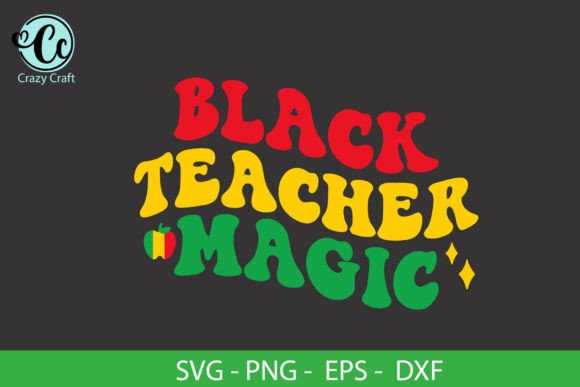
Black Teacher Magic: An Embroidery Design Review
The Immediate Impact: A Design That Speaks
When you first open the Black Teacher Magic, Black History Month design, the mood is clear: it’s celebratory, proud, and deeply meaningful. The layout feels balanced, with a strong central theme that commands attention. This isn’t a delicate, tiny motif; it’s a statement piece. The level of detail suggests it’s built for impact, not for subtlety. Its visual personality is warm yet authoritative, perfectly capturing the essence of “teacher magic” within the context of Black history and heritage. You immediately start picturing it on something substantial—a canvas tote bag, a cozy sweatshirt, a framed patch. It feels like it belongs on products meant to be seen, used, and appreciated daily.
Where This Design Shines in Real Projects
Imagine you’re preparing a custom embroidered sweatshirt for a teacher’s gift during Black History Month. This embroidery design is your starting point. The theme is inherently giftable, and the scale likely means it will occupy a generous portion of the front, making that sweatshirt a standout piece. On a tote bag, it transforms a simple utility item into a meaningful accessory. For a small shop owner creating boutique merchandise, this design adds value through its resonant theme. It’s not just decoration; it’s a conversation starter.
In practical embroidery project terms, think about application. On custom apparel like t-shirts and hoodies, it will likely create a focal point. As an embroidered patch, it could be stunning, applied to caps, backpacks, or even pillow covers for home decor. For baby clothes or nursery decor, perhaps on a blanket, it carries a legacy message in a gentle form. For holiday gifts or personalized products, the design’s inherent significance boosts its emotional weight. In a craft business context, an Etsy seller could use this on tea towels, aprons, or kitchen items, tying the craft to a powerful narrative. The design’s strength lies in its clear, communicative purpose, which enhances customer trust and buyer engagement because the product feels authentic and considered.
Considering the Stitch Work
From a purely technical embroidery perspective, a design with this thematic weight often involves areas of density. You’ll want to test the design on scrap fabric first to see how the stitch density behaves. Pay close attention to any smaller lettering or intricate decorative accents within the motif. These areas will demand a precise hoop size and the right stabilizer to maintain clarity. On textured fabrics like some sweatshirt materials, or on dark fabric backgrounds, your thread color contrast choice becomes critical. Will you stick to classic combinations or introduce a palette that honors the theme? A quick check in black and white mockups can help you judge the contrast purely on value, stripping away color bias.
Careful Application: Where to Be Mindful
This design, given its likely scale and detail, requires some practical forethought. On very small hoop sizes, the finer elements might lose definition. Applying it to thin fabric or stretchy fabric without adequate stabilizer could lead to distortion. Those detailed corners and potential dense stitch areas need a stable foundation. Curved surfaces like caps present a unique challenge; the design’s layout must be assessed for how it conforms to that shape. For products destined for frequent washing, such as kitchen towels or baby items, you must ensure the stitch structure is robust enough to endure.
The design’s success on layered garments with pockets or seams depends on careful placement. And, crucially, before any commercial embroidery project or selling finished items, you must confirm licensing for the digital embroidery file. This is a fundamental step for any digital product seller or creative entrepreneur to protect their craft business and maintain professionalism.
The Final Product: Visual Appeal and Professional Value
When stitched out, Black Teacher Magic, Black History Month should offer strong stitching clarity if the file is well-digitized. That clarity directly impacts the visual appeal and perceived product value. A clean, precise embroidered result elevates the handmade presentation, making it look professional rather than amateur. This builds brand consistency for a maker who regularly works with meaningful themes.
For the end customer, whether receiving it as a gift or purchasing it from your small shop product line, the design’s recognizability and thematic depth enhance its giftability and recognition. It feels special. It tells a story. That’s a powerful advantage in markets like craft fair products or Etsy listings, where emotional connection drives sales. Using it in printable mockups for your online store can effectively showcase the potential of the design assets.
A Designer’s Practical Notes
Before committing to a final project, here’s my straightforward checklist:
- Always run a test stitch. This reveals the true behavior of the satin stitch or fill stitch areas.
- Compare light and dark fabric backgrounds with your test. The design might perform differently on each.
- Inspect small details closely. Are there any corners or lines too fine for your intended fabric texture?
- Determine if the design is suitable for applique design techniques, which could simplify areas and reduce density.
- Verify the intended hoop size matches your project ambition. Don’t force a large design onto a small area.
- Finally, explicitly check whether the design works for both personal and commercial projects according to its license. This is the bedrock of ethical selling.
In the realm of Graphics and Crafts, a design like this is more than a pattern; it’s a potential centerpiece for a memorable finished product. Its power comes from its theme, but its success hinges on your thoughtful, skilled application. Approach it with respect for both its message and the practical demands of embroidery, and it will undoubtedly become a valuable part of your creative repertoire.