An Embroidery Designer's Take on Teacher St Patrick's Shenanigans
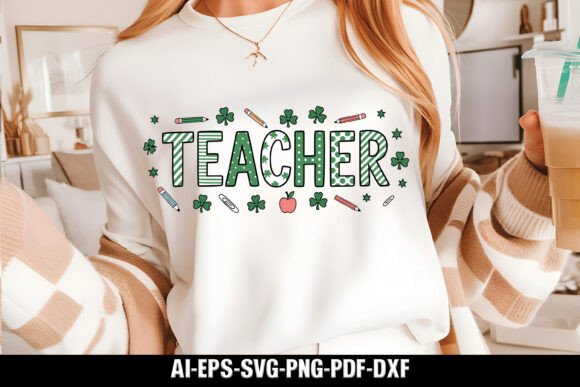
Every time I prepare for a seasonal project, I’m looking for an embroidery design that brings more than just a graphic to the hoop. It needs personality, a clear story, and a structure that translates beautifully into stitches. When I examined the ‘Teacher St Patrick’s Day Shenanigans SVG,’ my immediate thought was: this is a design with a playful heart. The theme isn't just generic holiday imagery; it’s a specific, affectionate nod to educators. That makes it a powerful starting point for a personalized gift or a thoughtful piece of small shop merchandise.
The First Stitch Impression: Where This Design Belongs
The layout and detail level of this SVG design suggest a friendly, slightly whimsical mood. It feels celebratory without being overly flashy, which is perfect for creating handmade products that feel genuine, not mass-produced. In my mind, I immediately pictured it on a canvas tote bag for a teacher’s classroom supplies, or as a centered motif on the back of a cozy sweatshirt. The visual personality leans into recognition—it’s a design that says, “This is for someone special,” which instantly boosts its giftability and appeal in a boutique or Etsy listing.
Real-World Embroidery Performance: From Mockup to Stitched Fabric
Moving from the digital file to a real embroidery project requires a practical eye. For a design like this, I consider its performance across different mediums. On a sturdy apron or a tea towel, the elements would hold up wonderfully, offering a durable, decorative accent. For baby clothes or delicate pillow covers, you’d need to be mindful of stitch density, ensuring the finished product remains soft and washable. I’ve learned that designs with clear, well-defined shapes—as this one appears to have—generally translate to cleaner satin stitches and fill stitches, resulting in better stitching clarity on the final product.
This is particularly important for items like custom apparel or embroidered patches, where every thread contributes to the customer’s perception of value and professionalism. When a teacher receives a tote with this design, the quality of the embroidery directly impacts their sense of the gift’s care and thoughtfulness.
Scenarios Where This Design Excels and Where to Proceed Carefully
Let’s walk through a real-life scenario. Imagine I’m preparing a custom embroidered sweatshirt as a St. Patrick’s Day gift from a class. The ‘Teacher St Patrick’s Day Shenanigans’ embroidery file becomes the centerpiece. On a mid-weight sweatshirt fabric, with proper stabilizer, it should pop beautifully, creating a keepsake item. The design also lends itself well to printable mockups for digital product sellers, giving customers a clear preview of the finished product.
However, practical design judgment means noting where a design should be used carefully. With any themed graphic, small details are key. If the design includes tiny lettering or very dense stitch areas, I would advise testing it first on scrap fabric, especially if you plan to stitch it on a curved surface like a cap, or on textured or stretchy fabrics. Dark fabric backgrounds require careful thread color contrast planning to maintain visual appeal. Always check how the design looks in a simple black-and-white mockup to understand its fundamental shapes before committing thread.
Affecting Your Craft Business: Beyond the Stitches
Using a design like this in your craft business or for commercial embroidery projects goes beyond the technical. It affects buyer engagement and brand consistency. If you run a shop specializing in personalized gifts, this design adds a specific, heartfelt category to your offerings. Its recognizable theme builds customer trust—they know exactly what sentiment they’re purchasing. For an apparel decorator, it provides a ready-made, seasonal design asset that can be scaled for different hoop sizes and applied to a range of products, from holiday gifts to small business merchandise for craft fairs.
One crucial note: while the product description lists multiple file formats including SVG, AI, and DXF—which is excellent for flexibility across software and machines—it is always essential to confirm the licensing terms before selling finished items or digital products derived from the file. This is a fundamental step for any creative entrepreneur.
Practical Notes for the Embroidery Designer
Before loading the embroidery file, my routine involves a few non-negotiable checks. Test the design on a fabric similar to your final project. Review the stitch density by looking at the preview files; areas that are too dense can be tough on thin fabrics. Confirm your hoop size can accommodate the design comfortably, leaving room for clean edges. Inspect the small details in the provided PNG preview to anticipate any challenging corners or decorative accents.
For this particular graphics set, the inclusion of a high-resolution PNG and multiple vector formats suggests it’s built for adaptability, which is a strong foundation for both personal and commercial projects. Remember, the ultimate goal is a finished product that looks meticulously crafted, whether it’s on a kitchen towel, nursery decor, or a personalized baby item. Your choice of stabilizer and thread colors, matched thoughtfully to the fabric texture, will bring the ‘Teacher St Patrick’s Day Shenanigans’ to life in the most authentic, professional way.
In the end, a good embroidery design isn't just about the digital file; it’s about the story it tells through stitches. This design, with its focused theme and likely clean structure, offers a clear path from your machine to a product that feels handmade, meaningful, and perfectly suited for the season and the recipient.