A Designer's Review of the 100 Days of School SVG
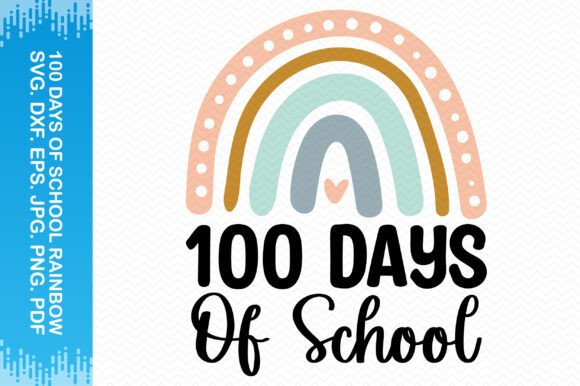
When I first open the 100 Days of School Around the World SVG, my designer's eye isn’t looking for a pretty picture; I’m assessing a potential embroidery file. I’m thinking about how this will translate from a digital graphic to thread on fabric. The theme is joyful and celebratory, a global twist on a classic milestone, and the layout has a clean, graphic feel that tells me it will stitch out clearly. This isn’t a delicate, overly detailed illustration—it’s a statement design with bold shapes that promises good stitch clarity. It feels like it belongs on a child’s backpack, a teacher’s tote bag, or a commemorative pillow cover.
The First Stitch: Imagining It on Real Products
Let me paint a real scenario. I’m preparing a custom embroidered sweatshirt for a teacher celebrating their class’s 100th day. I load this design, thinking about its visual personality on navy cotton. The embroidery project starts here. The clean lines of the design suggest it will work beautifully as an applique or with solid fill stitches for the main elements. I can already envision the satin stitch borders on the number "100" and the playful icons representing "Around the World." On a sweatshirt, this design offers a professional, gift-ready look that avoids the cluttered feel of some celebratory graphics. For a small shop product or an Etsy seller, that’s key—it looks intentionally crafted, not hastily thrown together.
Where This Design Shines in Embroidery
This machine embroidery design has a versatility that I appreciate. Its graphic nature makes it a strong candidate for a wide range of finished products.
- Custom apparel like t-shirts and sweatshirt embroidery: The bold shapes stand out without needing excessive stitch density, which is better for garment comfort.
- Tote bag design and aprons: On these larger, stable surfaces, you can really let the design shine at a larger hoop size, maximizing its impact.
- Embroidered patches: This would make a fantastic standalone patch due to its self-contained, iconic layout. It’s instantly recognizable.
- Baby embroidery on blankets or nursery decor: The celebratory theme works for commemorative gifts, and the clean design is safe from overly complex, scratchy stitching.
- Holiday embroidery and personalized gifts: While not a holiday per se, the 100th day is a classroom event, and this design is perfect for creating those special, personalized products for educators and families.
- Printable mockups and digital product previews: For the digital embroidery file seller, this graphic style creates clear, appealing mockups that help customers visualize the stitched result.
The visual appeal translates directly to product value. A well-executed version of this on, say, a kitchen towel or a cap, looks both handmade and professional. That builds customer trust and boosts buyer engagement—it’s a design that tells a story, which people love.
Practical Considerations: Where to Use Care
Confidence in a design also means knowing its limits. For the 100 Days of School Around the World SVG, a few practical notes come to mind. While the overall shapes are bold, look closely at any smaller lettering or tiny decorative accents within the "Around the World" elements. On very small hoop sizes, these minute details might lose definition or become overly dense. Always test.
Textured fabrics or very thin fabric could also pose a challenge if the design has areas of high stitch density. I recommend checking the stitch count and density in your software after converting the SVG. Stretchy fabric like on certain caps requires careful stabilizer choice to keep those clean lines crisp. On dark fabric backgrounds, thread color contrast is paramount; you might need to opt for brighter, lighter threads than you initially think to maintain the design’s cheerful mood.
For products needing frequent washing, like baby clothes or aprons, consider simplifying the design if it contains extremely dense fills, as these can wear differently. The graphic nature of this file, however, suggests it’s likely adaptable.
Notes for the Embroidery Designer Before Hooping Up
My workflow always includes these steps, and they’re especially relevant for a design like this intended for commercial embroidery or craft business items.
- First, test the design on scrap fabric of the same type and weight you plan to use. This reveals how the fabric texture interacts with the stitches.
- Check thread color contrast against both light and dark backgrounds. Create simple black and white mockups in your software to judge form alone.
- Review stitch density in your embroidery software after file conversion. Look for areas that might be too thick or too thin.
- Confirm hoop size compatibility. Does the design need a large field for impact, or can it be minimized for a cap without losing integrity?
- Inspect small details. Zoom in and look at corners and any potential overlapping stitch paths that might need adjustment.
- Use proper stabilizer. This is non-negotiable for preserving the design’s sharp, graphic look on the final product.
- Crucially, check whether the design works for both personal and commercial projects. The product description mentions it’s a digital design ideal for use, but I always advise confirming the specific licensing terms before selling finished items or incorporating it into your brand consistency as a small business owner.
The Final Impression: More Than Just a Graphic
After this review, the 100 Days of School Around the World SVG stands out as a design asset with strong embroidery potential. It creates a mood of inclusive celebration, and its layout is forgiving for various skill levels and machine setups. It won’t overwhelm a baby item with stitches, yet it can command attention on a boutique product like a premium tote.
The true test of any digital embroidery file is how it makes the transition from screen to stitch. This design, with its clear shapes and thematic strength, promises a smooth journey. It feels ready to become a cherished personalized gift, a standout item in your craft fair products, or a reliable element in your apparel decoration lineup. Just remember the designer’s mantra: test, stabilize, and always know your license. Then, stitch with confidence.