A Cute, Confident Hello to First Grade
The First Impressions That Make a Project Sing
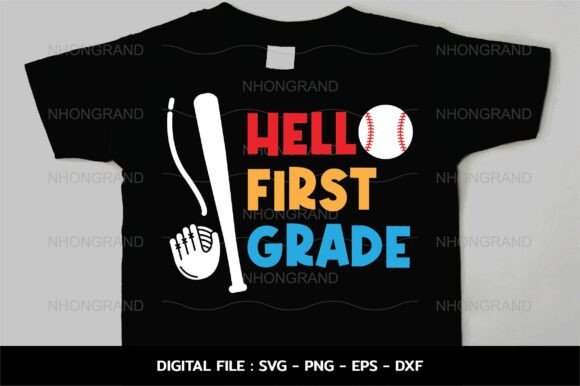
When you open up Hello First Grade Back School Basebal, the charm is immediate. It’s not just a graphic; it’s a mood. That baseball bat and glove combo gives it a playful, sporty confidence, while the “Hello First Grade” lettering feels friendly and celebratory. The layout is straightforward—no overly fussy layers or tiny decorative elements that get lost in translation to stitches. This is a design that knows its job: to declare a milestone with a smile.
From a designer’s perspective, this simplicity is gold. It translates directly into a clean embroidery file. The shapes are bold, the letters are well-defined, and the overall composition feels balanced. I can immediately picture it on the left chest of a kids’ sweatshirt or centered on a canvas tote bag. It creates a visual personality that’s both cute and sturdy—perfect for the kind of personalized gift that parents and grandparents actively look for.
Where This Design Finds Its Perfect Home
In my workshop, evaluating a design means thinking through its real-life applications. Let’s walk through a scenario: a client orders a custom embroidered patch for her son’s first-grade backpack. She wants it to be durable, colorful, and obviously “his.” This is where Hello First Grade Back School Basebal shines.
The sport theme makes it inherently gender-neutral and universally appealing. It’s a fantastic fit for custom apparel like t-shirts, hoodies, and baby embroidery on a denim jacket for a little one. I’d also lean towards using it for non-apparel items that hold sentimental value: a pillow cover for a child’s room, a tea towel in a family kitchen, or even as a focal point on a holiday embroidery gift like a holiday blanket for a grandparent. For Etsy sellers and small shop product lines, this design easily becomes a seasonal best-seller—a ready-made digital embroidery file for back-to-school collections.
Projects That Elevate Its Appeal
- Sweatshirt embroidery for a cozy, everyday keepsake.
- A sturdy tote bag design for carrying school supplies.
- A embroidered patch that can be applied to anything, from caps to aprons.
- Baby embroidery on a romper or bib for an older sibling gift.
- Simple nursery decor like a framed hoop art piece.
The Practical Stitching Considerations
Confidence in a design comes from knowing how it will behave under the needle. The clean lines and moderate detail level of Hello First Grade Back School Basebal suggest it will stitch out reliably. However, any experienced embroiderer knows to approach even the friendliest designs with a practical eye.
The areas of potential concern here are typical for any design with enclosed shapes: inside the letters of “First Grade” and the interior of the baseball glove. These are natural spots for higher stitch density. On thin or stretchy fabric, like a lightweight t-shirt, you’ll need a good, appropriate stabilizer to prevent puckering. On dark fabric, the design’s open, cute style will still pop, but you’ll want to test thread color contrast—a bright white or a vibrant red for the bat can make all the difference.
Handle With Care On...
- Very small hoop sizes where the lettering might become too tight.
- Textured fabrics like terry cloth, where fine details can get lost.
- Curved surfaces like caps, where the linear layout might need slight resizing or repositioning.
- Items destined for frequent washing, where dense fill areas could wear faster if not properly stabilized.
Turning a File Into a Valued Finished Product
Beyond the technical stitch, this design affects the perceived value of your finished product. Its cheerful, professional look enhances customer trust. When someone receives an item with this embroidery, it reads as intentional and well-made—it supports your handmade presentation and brand consistency if you specialize in celebratory or children’s items.
For creative entrepreneurs, this is a design asset with high giftability. It taps into a specific, emotional moment (starting school) which drives buyer engagement. In a craft business context, whether for commercial embroidery projects or as part of your own digital product portfolio, it serves a clear market need.
Your Essential Designer Checklist Before Hooping
Before I commit any design to a client’s project or my own small shop merchandise, I follow a personal routine. For Hello First Grade Back School Basebal, I’d recommend the same.
- Test on scrap fabric first. Use both a light and a dark piece of similar material to your final project.
- Inspect the small details in the stitched sample, particularly the corners of the glove and the connections in the lettering.
- Review stitch density by feeling the embroidered sample. Is it too stiff for a soft baby blanket? Perfect for a tote bag?
- Confirm your hoop size choice. Does the design maintain its clarity and proportions at your intended size?
- Check licensing clarity. The product description lists it as a download including multiple file types. For digital product sellers, ensure you understand the terms for using it in printable mockups or selling the finished items.
Embroidery is a blend of art and precise craft. A design like this, with its confident charm and straightforward layout, removes much of the artistic guesswork. It lets you focus on the craft: selecting the perfect fabric, pairing it with vibrant threads, and applying it with the technical skill that turns a cute graphics file into a cherished crafts object. That’s the kind of practical partner you want in your design library.